By GTA Steel Building · 8 min read · Construction & Planning
You're planning a new structure — a garage, warehouse, commercial facility, or agricultural building. One of the first decisions you'll face is also one of the most consequential: steel or wood? It's a choice that will shape your budget, your timeline, and how that building performs decades from now.
For most building projects across North America, steel isn't just a solid option — it's the smarter one. Here's a clear-eyed look at how the two materials stack up, and why so many property owners are choosing steel.
The numbers don't lie
- 2× longer lifespan vs. traditional wood frame construction
- 40% less maintenance cost over a 30-year period
- 100% of steel is recyclable at end of life
- 30% faster construction time versus wood framing on average
Durability: built for North American climates
North America's climate extremes are unforgiving. From freeze-thaw cycles and heavy snow loads in the north, to heat, humidity, and hurricane-force winds in the south — buildings face punishing stress year after year. Wood absorbs moisture. It warps, cracks, swells, and rots. Termites and other pests can silently hollow out a wood-framed structure over years.
Steel doesn't rot. It doesn't warp. It won't be eaten by insects. Modern steel buildings come with factory-applied coatings that resist corrosion, and the structural integrity of a steel frame stays consistent from the first winter to the thirtieth. Whatever your region throws at it, a properly engineered steel building holds firm.
"A wood structure might need re-roofing, re-siding, or structural repairs within 15–20 years. A well-built steel structure, maintained properly, can last 50 years or more with minimal intervention."
Cost: the full picture
On paper, wood sometimes appears cheaper upfront. But the upfront cost is only part of the story. When you account for the full lifecycle — maintenance, repairs, insurance, and eventual replacement — steel consistently comes out ahead.
Property owners across North America are also surprised to find that steel buildings can reduce insurance premiums. Steel is non-combustible, which makes it a much lower fire risk than wood — a factor insurers consistently reward.
Flexibility and design
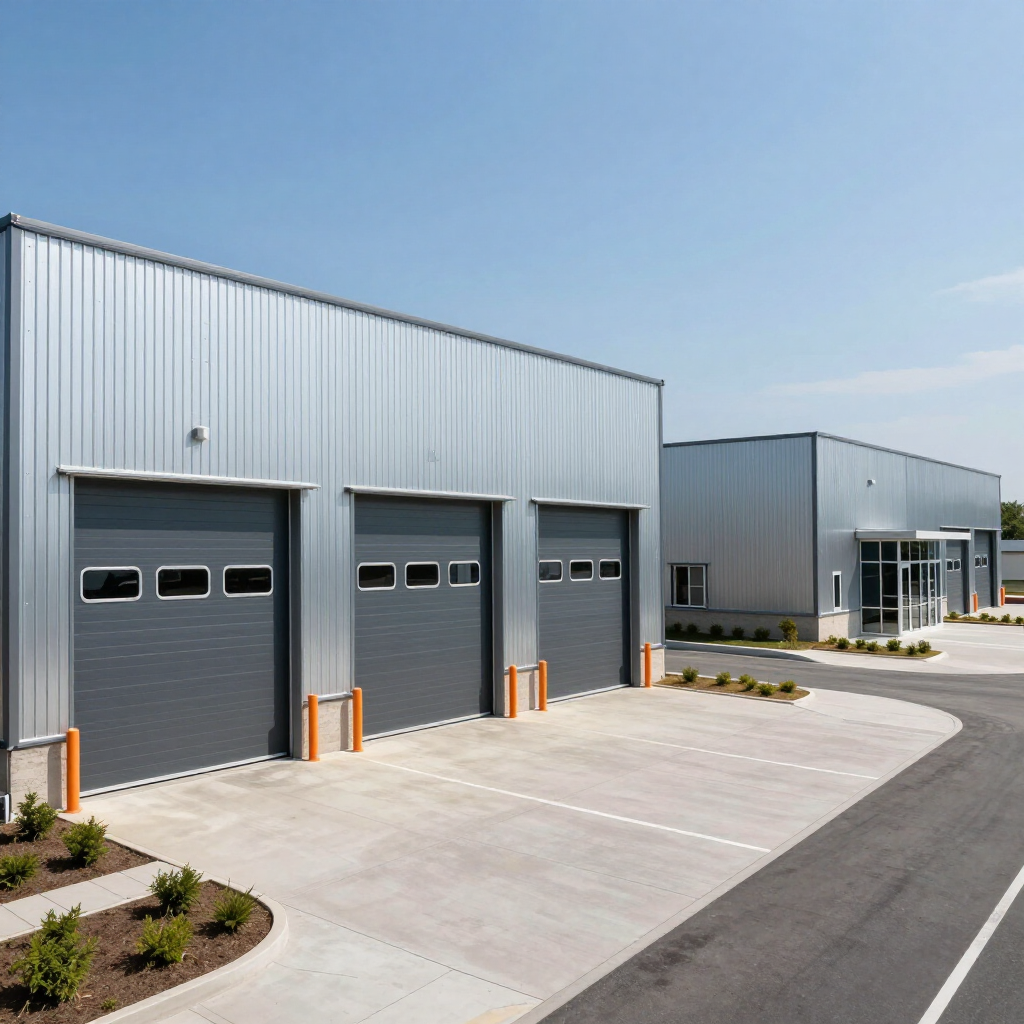
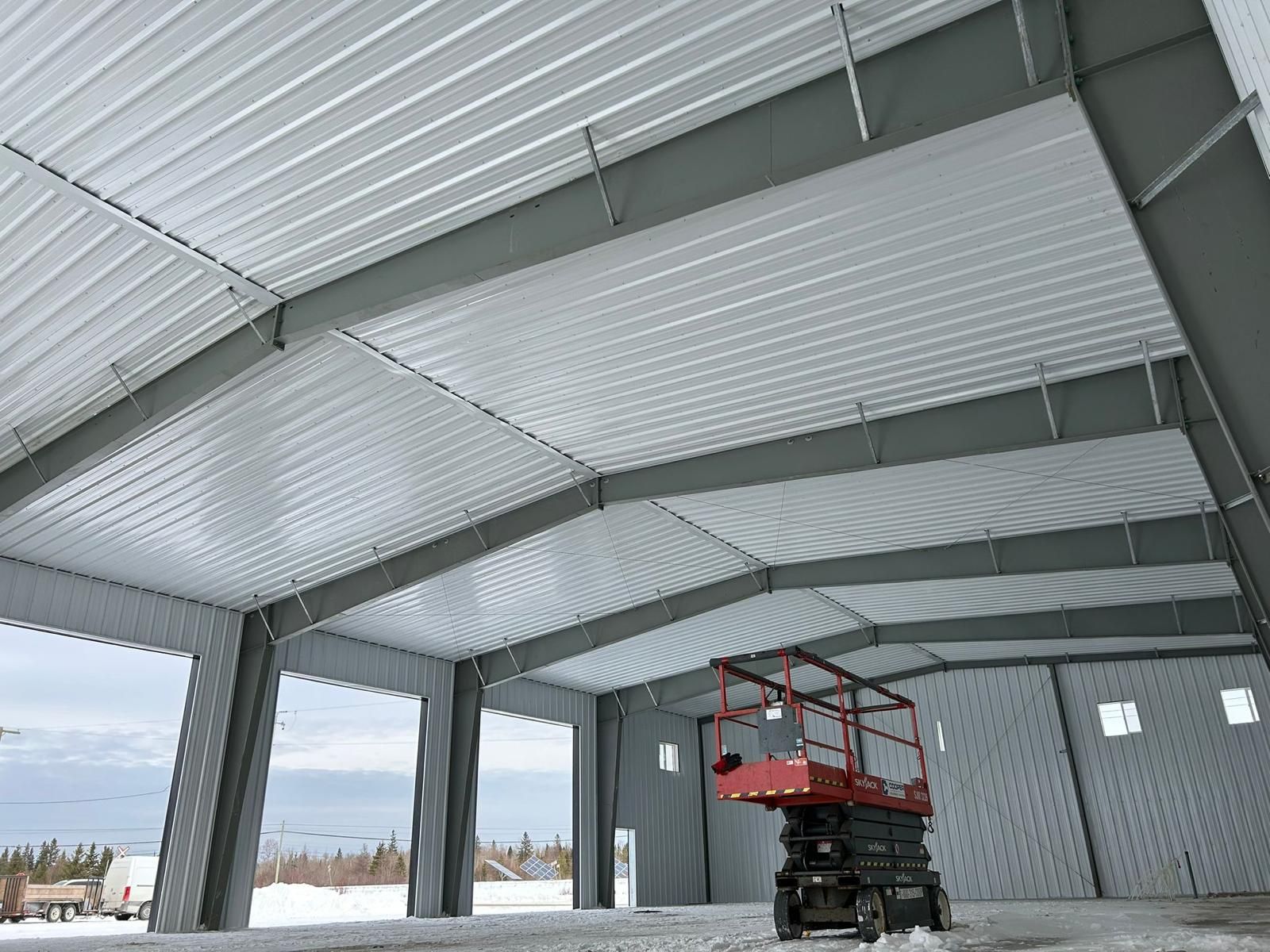
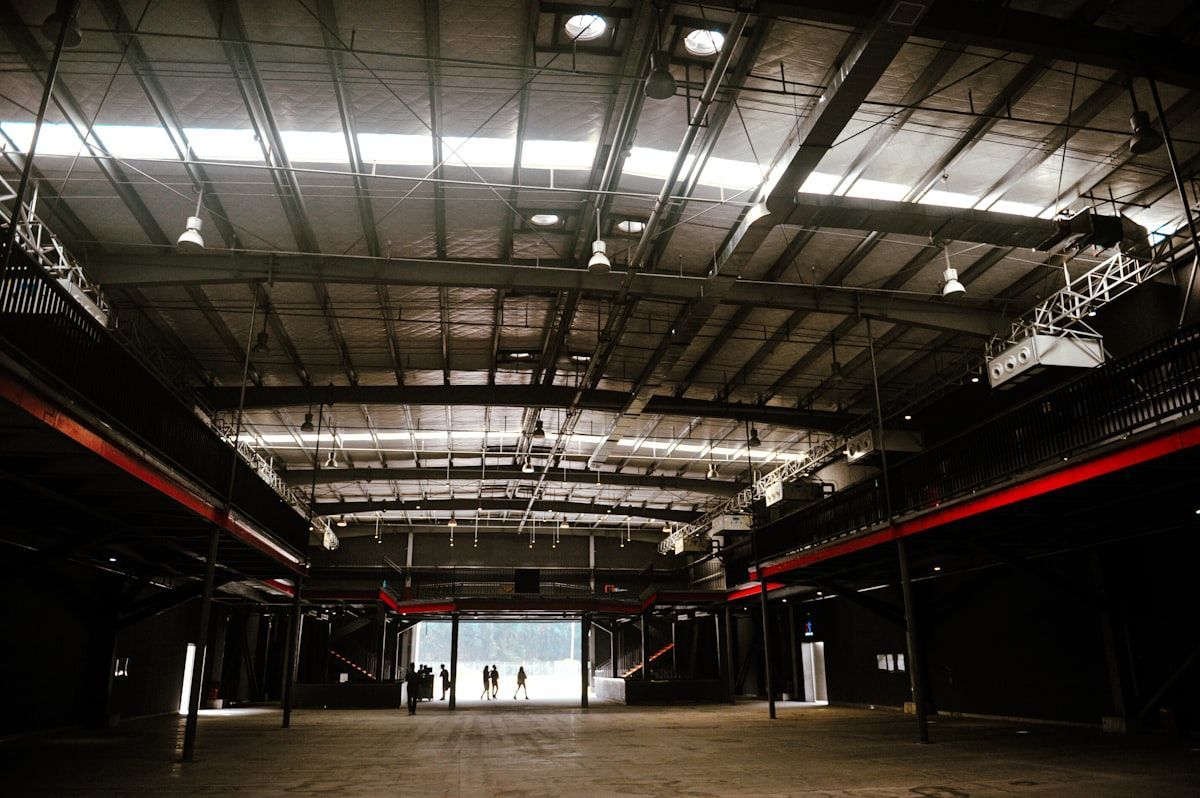
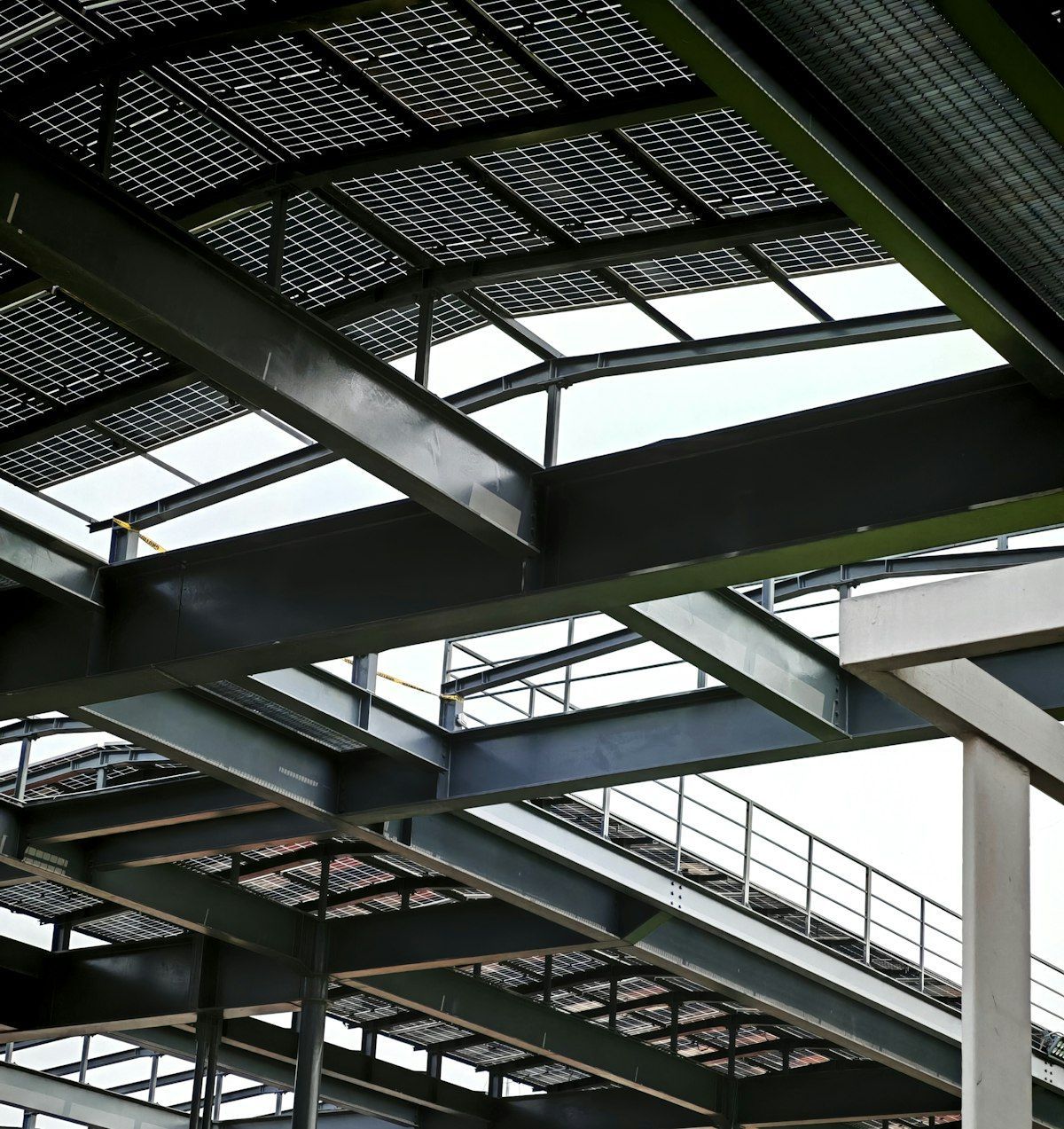
One of the persistent myths about steel buildings is that they're boxy, utilitarian structures with no design appeal. That hasn't been true for years. Modern steel buildings can be designed in a wide range of styles, with clear-span interiors that eliminate the need for interior support columns — giving you total freedom to use the space however you need.
For commercial, agricultural, or industrial use, that open floor plan is invaluable. You can park equipment, set up production lines, or configure retail space without working around structural columns that a wood-frame building would require.
Sustainability
If your project has a sustainability mandate — or if you simply want to make a responsible long-term choice — steel has a compelling environmental story. Steel is the world's most recycled material. North American structural steel contains an average of over 90% recycled content, and at end of life, every component can be reclaimed and reused.
Wood framing involves ongoing logging and processing, and structures that rot or are demolished early create significant waste. A steel building that lasts 50 years has a much smaller environmental footprint per year of service.
Is steel right for your project?
Steel buildings are an excellent fit for:
- Agricultural buildings — barns, equipment storage, riding arenas
- Commercial and industrial warehouses
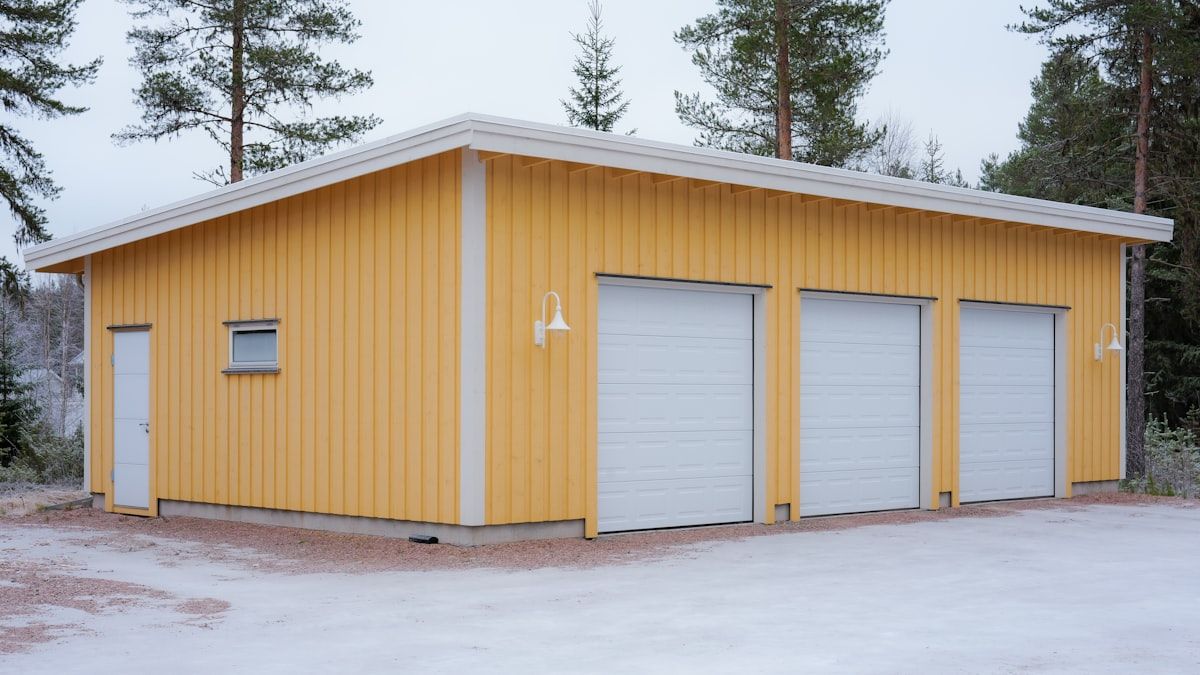
- Garages and workshops (residential or commercial)
- Retail or light manufacturing facilities
- Community halls, recreation centres, and churches
- Any project where long-term durability and low maintenance matter
Wood still has its place — particularly for certain residential applications or smaller structures where local character and aesthetics are the top priority. But for the vast majority of functional buildings across North America, the case for steel is difficult to argue against.
The bottom line
Steel buildings outperform wood on durability, long-term cost, flexibility, construction speed, and sustainability. In a market where weather is unpredictable, real estate is valuable, and buyers increasingly care about asset longevity — choosing steel is a decision you won't have to second-guess.
Ready to build smarter? Our team at GTA Steel Building has helped hundreds of property owners find the right steel building solution. Get a free quote and we'll walk you through your options.
Share This Blog