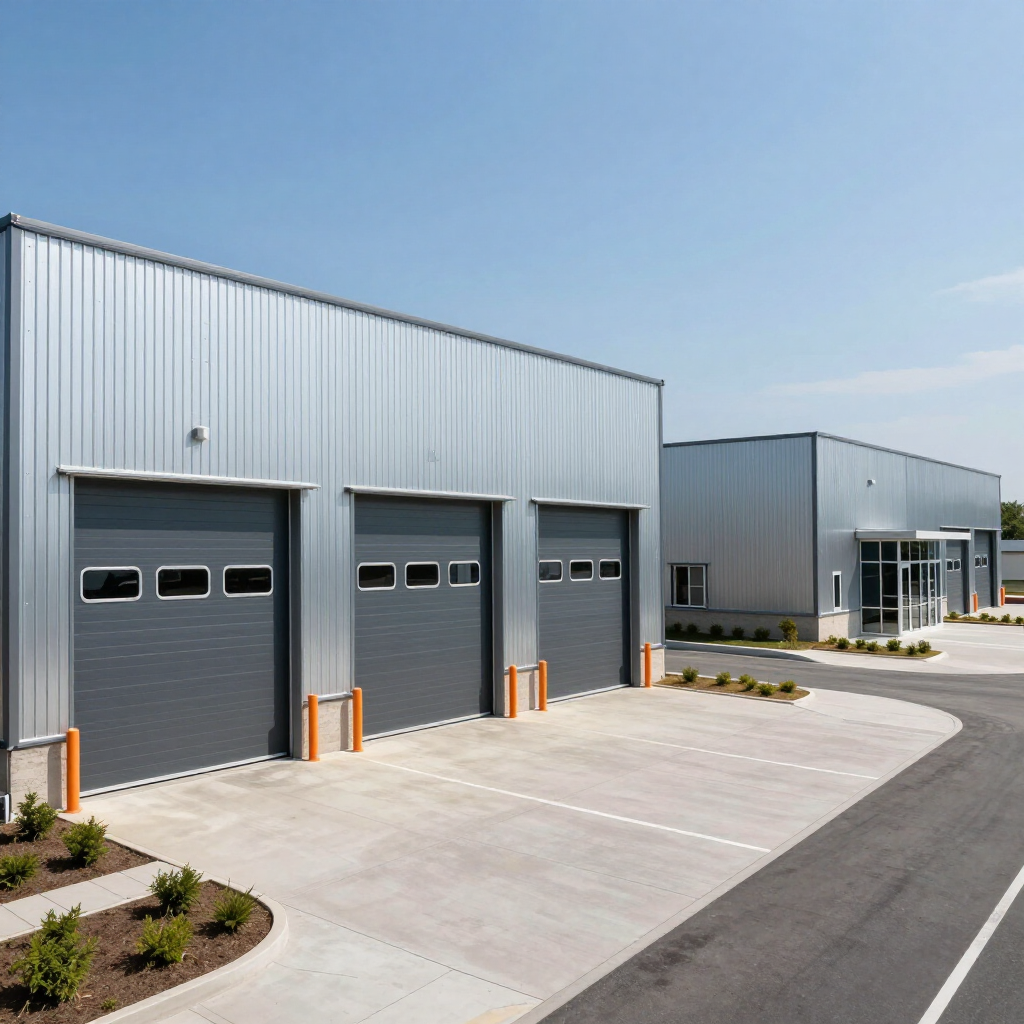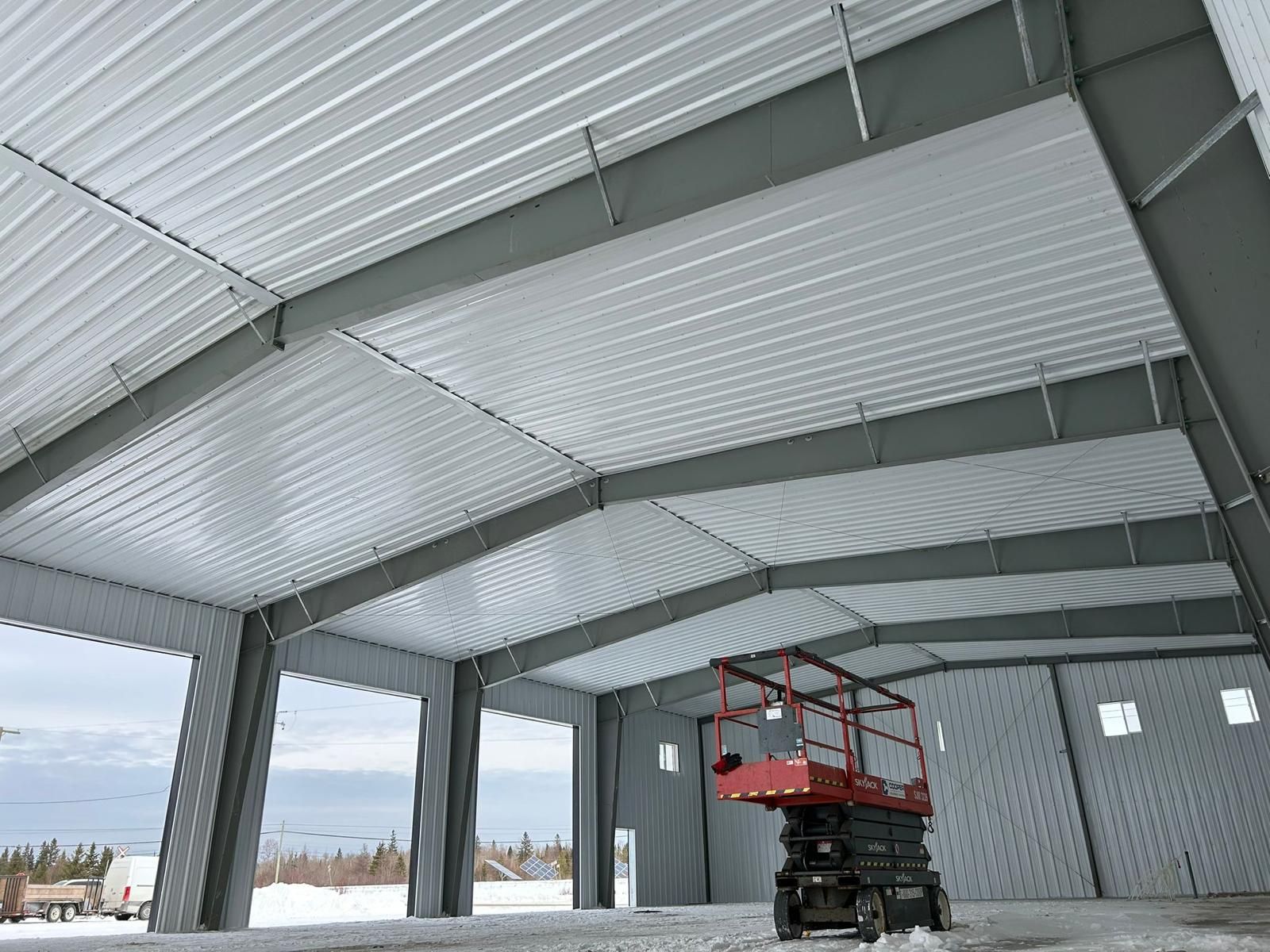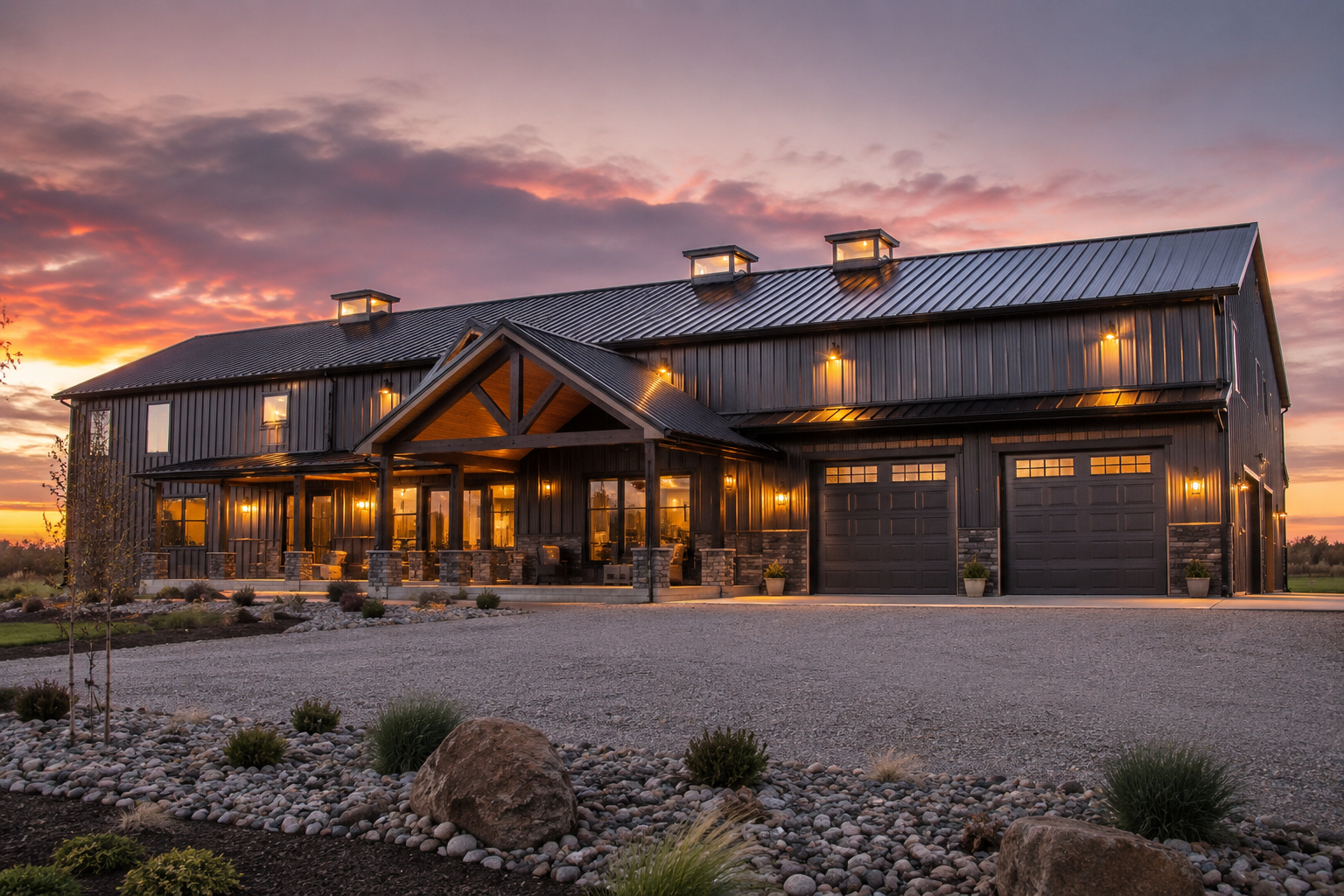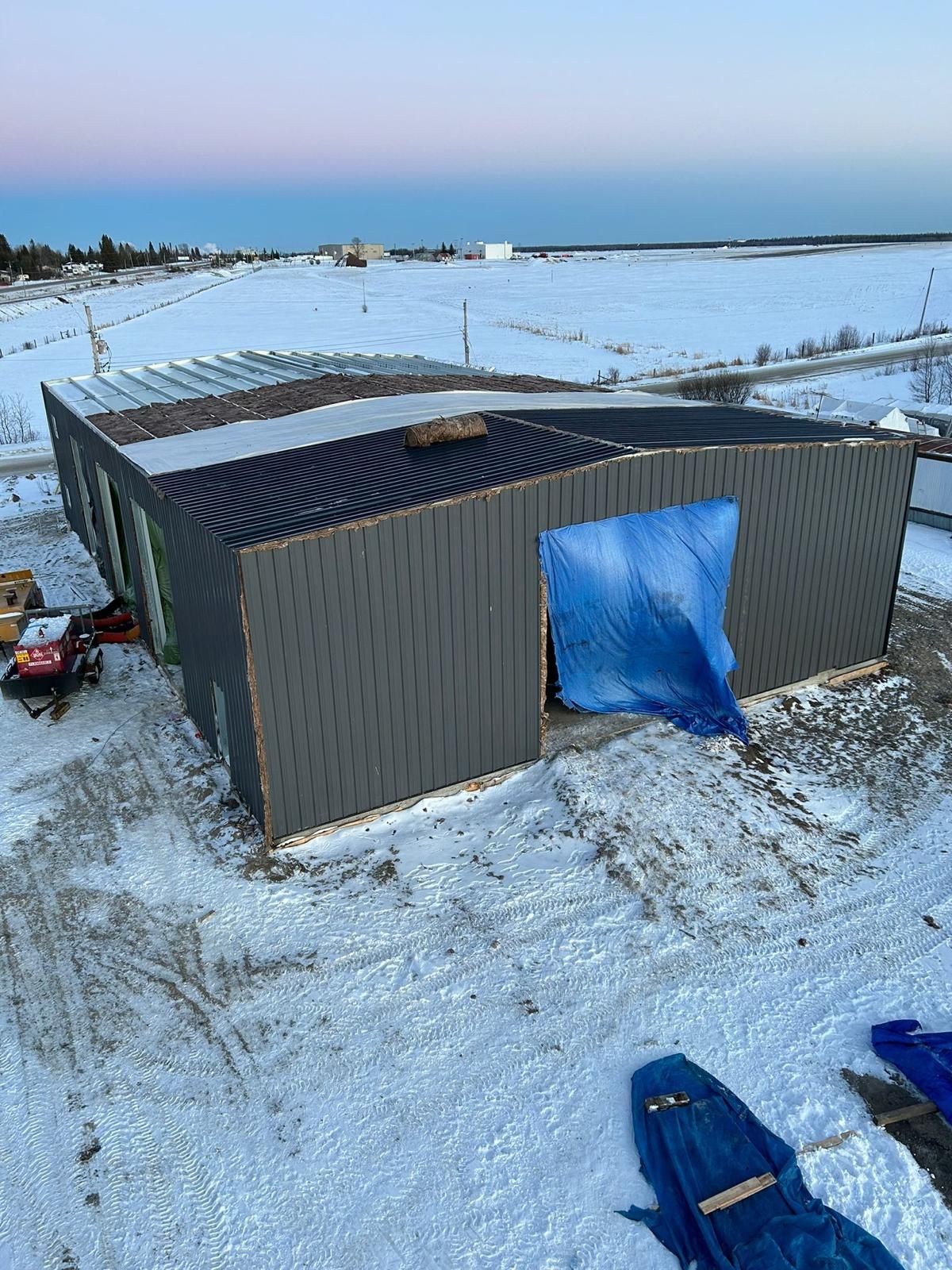
Learn what impacts steel building costs in 2026. Explore pricing factors, building sizes, project considerations, and budgeting tips for commercial, industrial, agricultural, and recreational steel buildings across North America.
Whether you're planning a warehouse, manufacturing facility, agricultural building, sports complex, aircraft hangar, or commercial property, one of the first questions you'll ask is: How much does a steel building cost?
The answer depends on several factors, including building size, location, intended use, engineering requirements, foundation design, insulation systems, and interior finishes.
Steel buildings continue to gain popularity throughout North America because they offer durability, design flexibility, faster construction timelines, and lower maintenance costs than many traditional building methods.
Understanding the major cost drivers can help you budget more effectively and make informed decisions before starting your project.
What Is the Average Cost of a Steel Building?
Steel building costs can vary significantly depending on the complexity of the project.
Typical steel building shell costs range from approximately $15 to $35 per square foot.
For commercial and industrial projects that include insulation, mechanical systems, electrical work, interior finishes, and specialized equipment, costs can range from $35 to $100+ per square foot or more.
Sports facilities, manufacturing plants, and highly customized structures may exceed these ranges depending on design requirements.
Because every project is unique, obtaining a customized estimate is the best way to determine actual costs.
Steel Building Costs by Size
30' x 40' Steel Building (1,200 Square Feet)
Common uses include:
- Workshops
- Equipment storage
- Agricultural buildings
- Small warehouses
- Service shops
Typical investment range:
- $45,000 to $150,000+
40' x 60' Steel Building (2,400 Square Feet)
Common uses include:
- Automotive repair facilities
- Commercial storage
- Small manufacturing operations
- Contractor shops
Typical investment range:
- $90,000 to $300,000+
50' x 100' Steel Building (5,000 Square Feet)
Common uses include:
- Warehouses
- Distribution centers
- Fleet maintenance facilities
- Industrial storage
Typical investment range:
- $200,000 to $700,000+
100' x 200' Steel Building (20,000 Square Feet)
Common uses include:
- Manufacturing plants
- Logistics facilities
- Industrial operations
- Fulfillment centers
Typical investment range:
- $800,000 to $3,000,000+
Factors That Affect Steel Building Costs
No two steel buildings are exactly alike. Several variables influence the final price of a project.
Building Size
Generally, larger buildings cost less per square foot than smaller buildings because fixed costs are distributed over a larger area.
For example:
- Engineering costs are spread across more square footage
- Construction crews work more efficiently on larger projects
- Material ordering becomes more economical
Building Height
The height of a steel building directly impacts material and engineering requirements.
Additional height may require:
- Larger structural members
- Additional bracing
- Enhanced engineering
- Specialized lifting equipment during construction
Facilities with crane systems, manufacturing equipment, or high-bay storage typically require greater clear heights.
Building Design
A basic rectangular building is typically the most economical option.
Costs increase when incorporating:
- Complex rooflines
- Architectural features
- Mezzanines
- Multiple interior levels
- Large glass facades
- Custom entrances
Geographic Location
Location affects nearly every aspect of a steel building project.
Factors include:
- Local labor rates
- Transportation costs
- Permit fees
- Building code requirements
- Weather conditions
- Site accessibility
Construction costs can vary significantly between regions across North America.
Foundation Requirements
Every steel building requires a properly engineered foundation.
Foundation costs depend on:
- Soil conditions
- Frost depth requirements
- Building loads
- Equipment loads
- Site grading requirements
A geotechnical investigation is often recommended before final foundation design.
Insulation Systems
Insulation plays a major role in overall project costs and long-term energy efficiency.
Common options include:
- Fiberglass insulation
- Rigid board insulation
- Spray foam insulation
- Hybrid insulation systems
The ideal insulation package depends on climate, building use, and energy performance goals.
Doors and Openings
Building openings can significantly affect pricing.
Examples include:
- Overhead doors
- Loading dock doors
- Aircraft hangar doors
- Glass storefront systems
- Personnel doors
- Specialty access systems
Larger openings often require additional structural reinforcement.
Site Preparation Costs
Many first-time buyers focus solely on the building package and overlook site preparation expenses.
Site preparation may include:
- Excavation
- Grading
- Drainage improvements
- Utility installation
- Soil stabilization
- Access roads
The condition of the site can have a major impact on overall project costs.
Interior Construction Costs
A steel building shell is only one component of a complete facility.
Interior construction may include:
- Offices
- Conference rooms
- Washrooms
- Break rooms
- HVAC systems
- Electrical systems
- Plumbing systems
- Fire protection systems
- Interior walls and finishes
The level of interior finish can dramatically affect the final budget.
Why Businesses Choose Steel Buildings
Steel construction offers several advantages that contribute to long-term value.
Faster Construction Timelines
Steel building components are fabricated off-site and delivered ready for assembly.
Benefits include:
- Reduced construction schedules
- Fewer weather-related delays
- Lower labor costs
- Faster occupancy
For businesses, quicker project completion often means earlier revenue generation.
Lower Maintenance Requirements
Steel buildings are resistant to many issues that affect traditional construction materials.
Benefits include:
- Resistance to pests
- Reduced warping
- Improved durability
- Minimal maintenance requirements
- Long service life
Design Flexibility
Steel buildings can accommodate a wide variety of applications.
Examples include:
- Warehouses
- Manufacturing plants
- Sports facilities
- Agricultural buildings
- Retail spaces
- Office buildings
- Aviation hangars
Future Expansion Opportunities
Many steel buildings can be designed with future expansion in mind.
This allows owners to:
- Add warehouse space
- Expand production areas
- Increase storage capacity
- Adapt to business growth
Planning for expansion during the initial design phase often reduces future construction costs.
Common Hidden Costs Buyers Overlook
A successful budget should include more than just the building package.
Potential additional expenses include:
Permits and Approvals
- Building permits
- Engineering reviews
- Environmental assessments
- Site approvals
Utility Connections
- Electrical service
- Water service
- Sewer service
- Natural gas connections
- Telecommunications infrastructure
Exterior Improvements
- Parking lots
- Landscaping
- Sidewalks
- Exterior lighting
- Stormwater management
Equipment Installation
Depending on the facility, equipment costs may include:
- Manufacturing machinery
- Storage systems
- Crane systems
- Loading equipment
- Specialty operational equipment
Steel Building Costs by Industry
Warehouses
Steel warehouses remain one of the most cost-effective commercial building solutions because they provide:
- Large clear-span spaces
- Efficient layouts
- Expansion flexibility
- Low maintenance requirements
Manufacturing Facilities
Manufacturers often choose steel buildings because they support:
- Heavy equipment
- Production lines
- High ceilings
- Crane systems
- Flexible floor plans
Agricultural Buildings
Farm owners use steel buildings for:
- Equipment storage
- Livestock facilities
- Riding arenas
- Hay storage
- Workshops
Sports and Recreation Facilities
Steel is ideal for:
- Indoor soccer facilities
- Hockey arenas
- Training centers
- Recreation complexes
- Multi-sport facilities
Large column-free spaces make steel a preferred solution for sports facilities across North America.
How to Get the Most Accurate Cost Estimate
The best way to estimate a steel building project is to work with an experienced design-build contractor early in the planning process.
Information that helps create accurate estimates includes:
- Building dimensions
- Intended use
- Site location
- Desired completion timeline
- Insulation requirements
- Interior finish requirements
- Future expansion plans
The more information available during planning, the more accurate the project budget will be.
Frequently Asked Questions
Are steel buildings cheaper than traditional construction?
Steel buildings often provide lower lifetime ownership costs due to reduced maintenance requirements, faster construction schedules, and long-term durability.
How long do steel buildings last?
When properly designed and maintained, steel buildings can provide reliable performance for decades.
Can steel buildings be expanded later?
Yes. Many steel structures are designed to accommodate future expansion as operational needs grow.
Are steel buildings energy efficient?
Modern insulation systems and energy-efficient building designs can significantly improve thermal performance and reduce operating costs.
What is the biggest factor affecting steel building costs?
Building size, location, foundation requirements, intended use, and interior finishes typically have the greatest impact on project pricing.
Conclusion
Steel buildings continue to be one of the most versatile and cost-effective construction solutions available in North America. Whether you're building a warehouse, manufacturing facility, sports complex, agricultural structure, or commercial property, understanding the factors that influence cost is essential for successful project planning.
By working with an experienced steel building contractor and developing a comprehensive budget early in the process, property owners can maximize value while avoiding costly surprises during construction.
Ready to Start Your Steel Building Project?
GTA Steel Building provides complete design-build solutions for commercial, industrial, agricultural, and recreational steel buildings across North America. From planning and engineering to fabrication and construction, our team delivers customized steel building solutions designed to meet your operational needs and long-term goals.
Contact GTA Steel Building today to discuss your project and receive a customized estimate.
Share This Blog