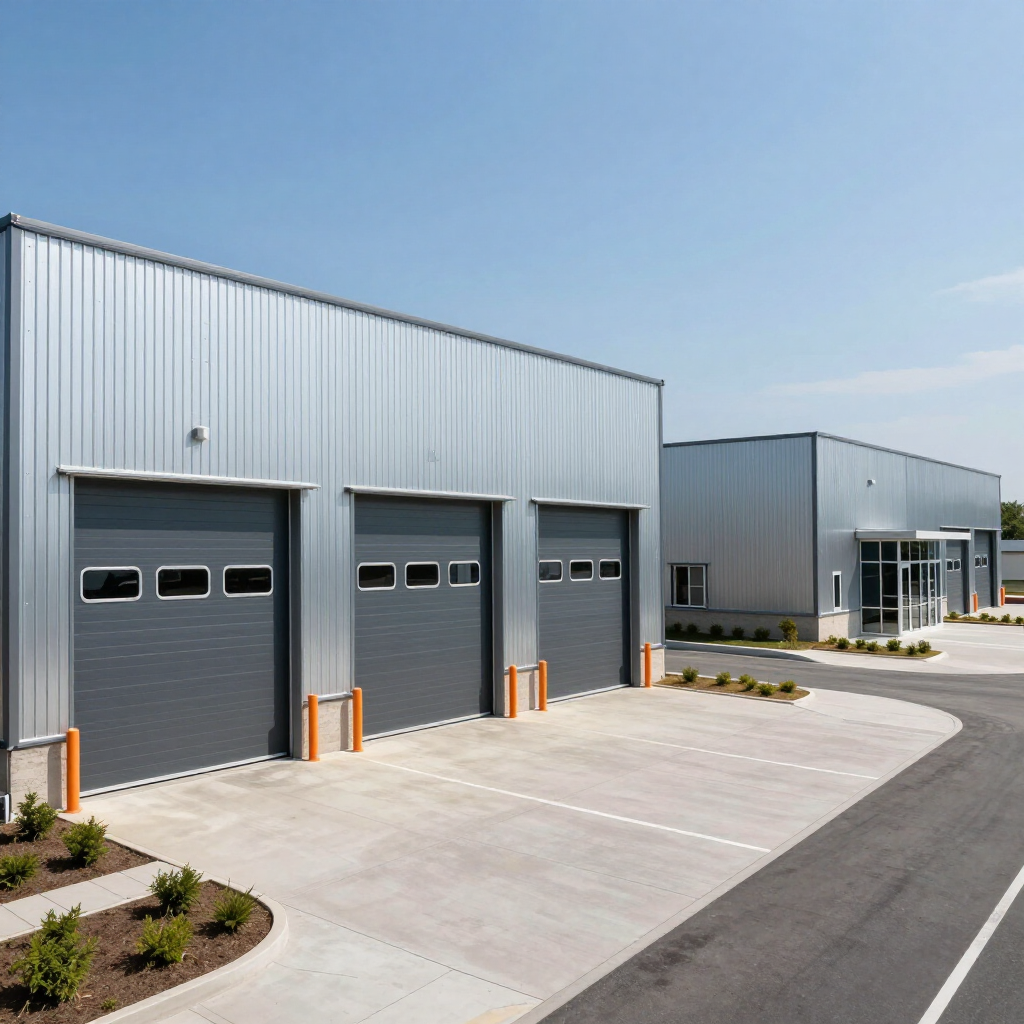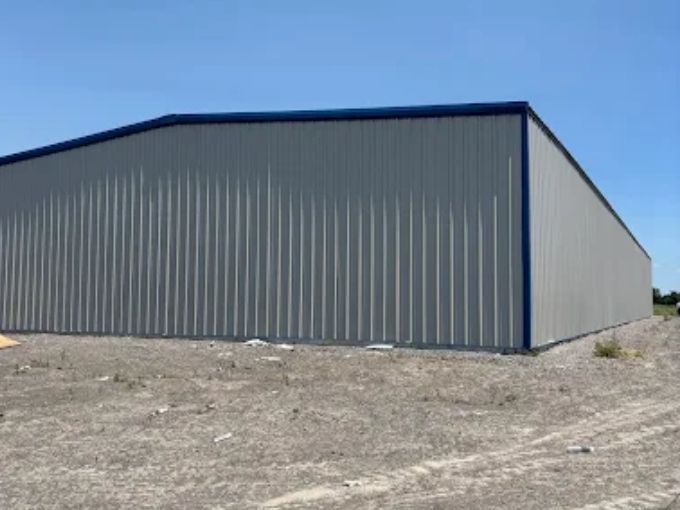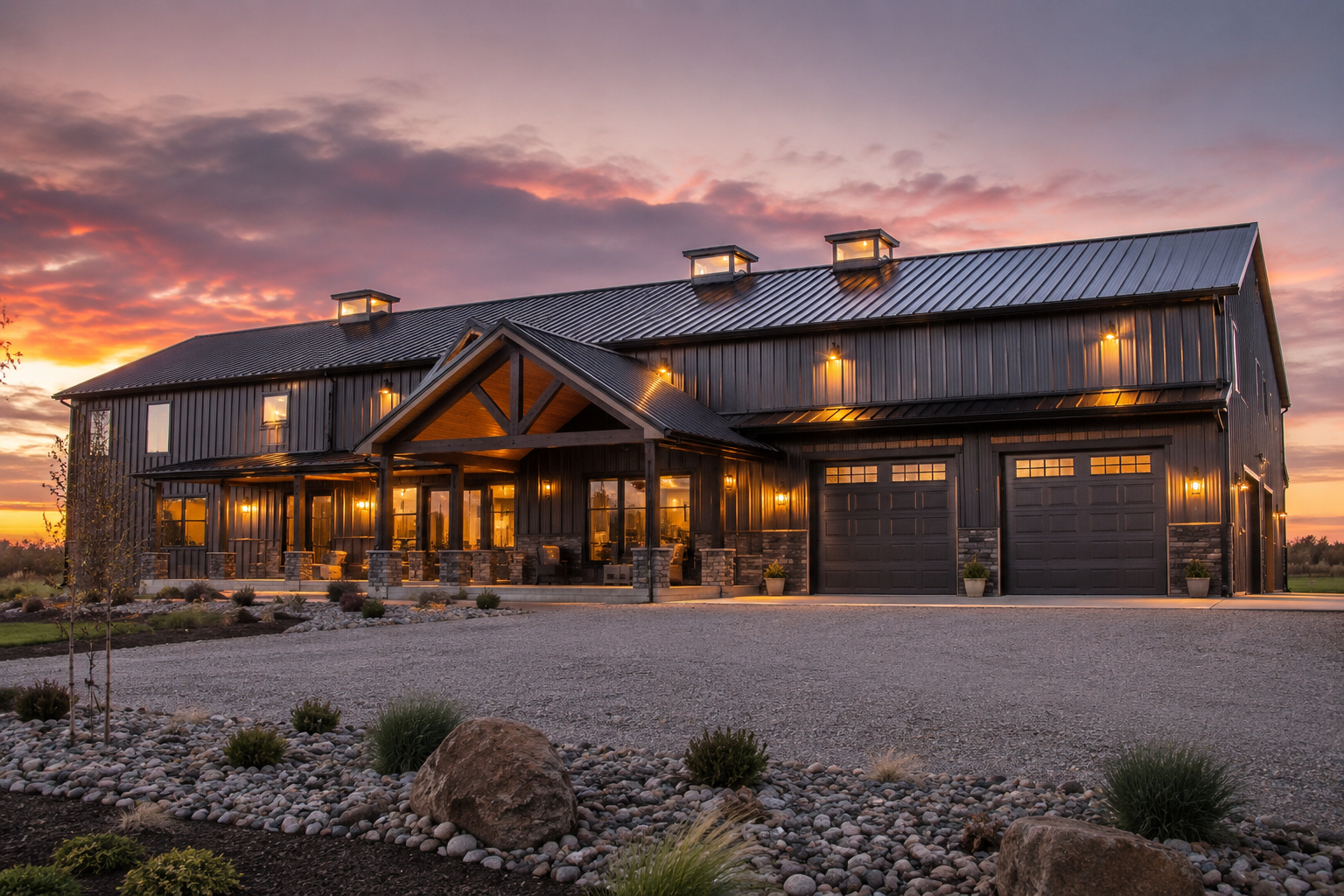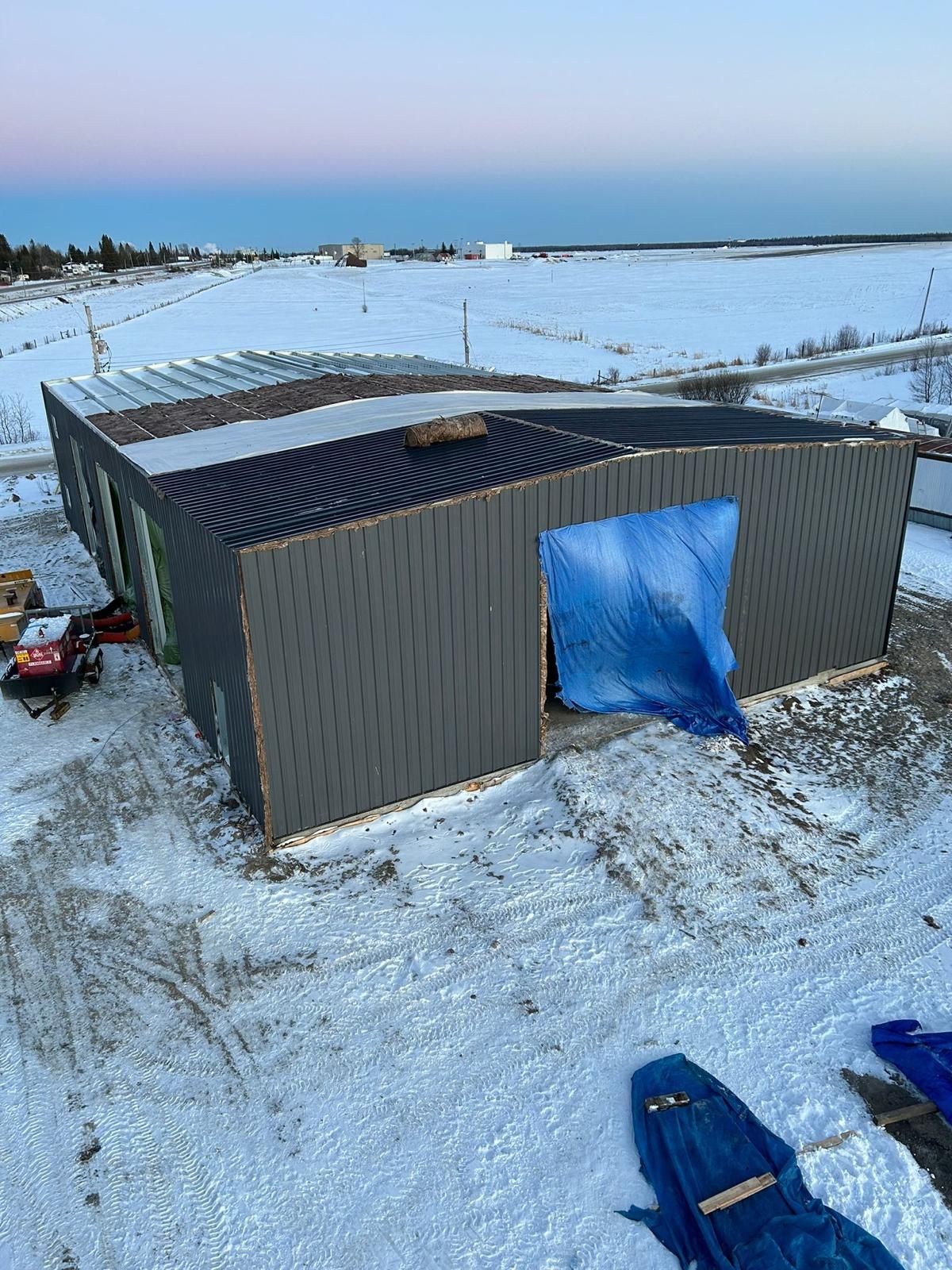
Learn why commercial steel buildings are becoming the preferred choice across North America. Discover benefits, applications, costs, design considerations, and how steel buildings support long-term business growth.
Commercial steel buildings have become one of the fastest-growing construction solutions across North America. Businesses are increasingly choosing steel over traditional construction methods because of its durability, flexibility, speed of construction, and long-term value.
Whether you're planning a warehouse, manufacturing facility, retail space, office building, distribution center, or mixed-use commercial property, steel construction offers significant advantages that can help your business grow while controlling construction and maintenance costs.
This guide explores everything business owners need to know before investing in a commercial steel building.
What Is a Commercial Steel Building?
A commercial steel building is a structure primarily constructed using engineered steel framing systems.
These buildings are designed to accommodate a wide variety of commercial uses, including:
- Warehouses
- Distribution centers
- Manufacturing facilities
- Retail stores
- Office buildings
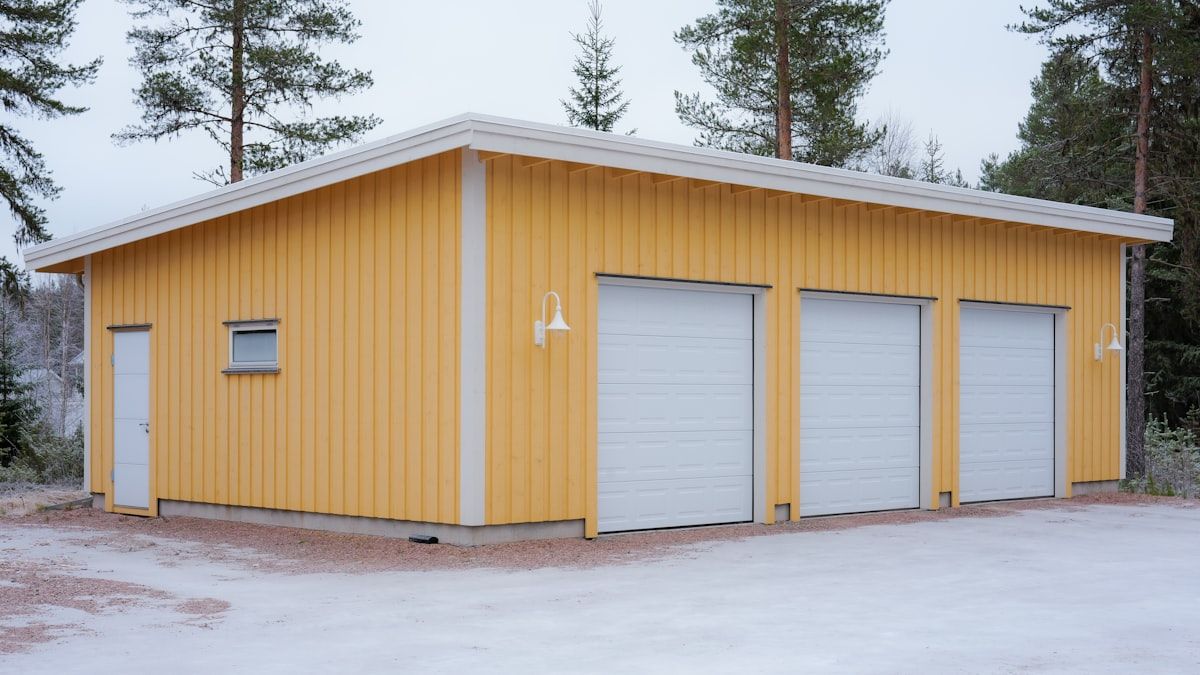
- Automotive facilities
- Equipment storage facilities
- Self-storage developments
- Sports and recreational facilities
Modern steel buildings can be customized to meet virtually any operational requirement while maintaining strength and efficiency.
Why Commercial Developers Choose Steel Buildings
Steel buildings continue to gain popularity because they solve many of the challenges associated with traditional construction.
Some of the biggest advantages include:
- Faster construction timelines
- Lower maintenance requirements
- Greater durability
- Expansion flexibility
- Reduced long-term operating costs
- Large open interior spaces
- Excellent structural strength
For many businesses, these benefits translate directly into higher profitability and operational efficiency.
Faster Construction Means Faster Revenue
One of the biggest advantages of steel construction is speed.
Steel components are fabricated off-site and delivered ready for installation.
This process helps:
- Reduce construction timelines
- Minimize weather-related delays
- Improve scheduling efficiency
- Accelerate project completion
For business owners, opening a facility sooner often means generating revenue sooner.
Durability That Lasts for Decades
Commercial properties are long-term investments.
Steel buildings are engineered to withstand demanding conditions and provide reliable performance for decades.
Benefits include:
- Resistance to pests
- Resistance to rot
- Resistance to warping
- High structural integrity
- Excellent performance in extreme weather
This durability helps reduce repair costs and operational disruptions over time.
Flexible Design Options
Modern commercial steel buildings are far from basic industrial boxes.
Today's steel structures can incorporate:
- Modern architectural designs
- Large glass storefronts
- Multiple office areas
- Showrooms
- Mezzanines
- Custom entrances
- High-end exterior finishes
Steel provides the flexibility to create both functional and visually appealing commercial spaces.
Large Clear-Span Interiors
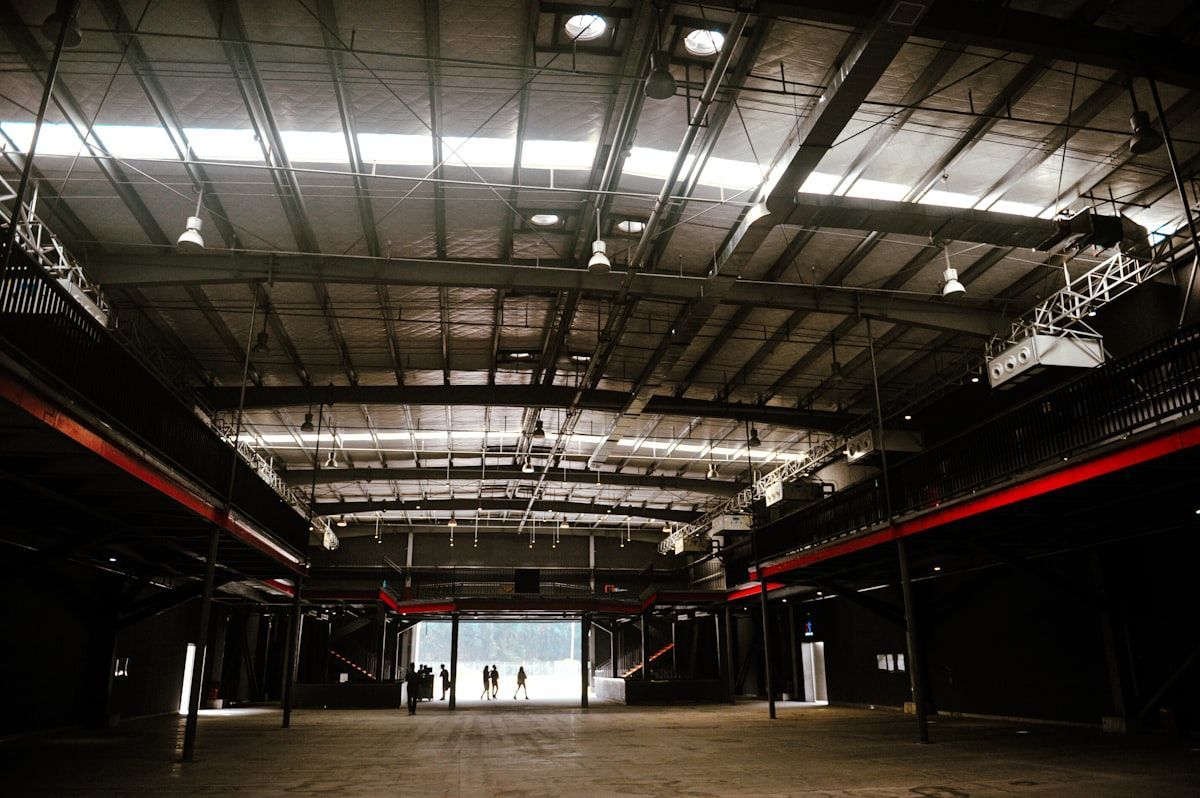
One of the most valuable features of steel construction is the ability to create large clear-span spaces.
This means fewer interior columns and more usable floor space.
Benefits include:
- Improved warehouse efficiency
- Better equipment layouts
- Increased storage capacity
- Flexible workspace configurations
- Easier future modifications
Clear-span construction is especially valuable for warehouses, manufacturing facilities, and recreational buildings.
Types of Commercial Steel Buildings
Warehouses
Steel warehouses remain one of the most common commercial applications.
Benefits include:
- Large storage capacity
- Expansion flexibility
- Efficient layouts
- Fast construction
Distribution Centers
The growth of e-commerce has increased demand for distribution facilities.
Steel buildings provide:
- Large open floor plans
- High ceilings
- Efficient logistics layouts
- Expansion opportunities
Manufacturing Facilities
Manufacturers often choose steel because it supports:
- Heavy equipment
- Production lines
- Crane systems
- Flexible floor plans
Retail Buildings
Steel can be used for:
- Shopping plazas
- Showrooms
- Big-box retail stores
- Service-based businesses
Modern steel structures can easily accommodate attractive retail designs.
Office Buildings
Steel-framed office buildings provide:
- Flexible floor plans
- Long-term durability
- Faster construction schedules
- Expansion opportunities
Automotive Facilities
Steel is ideal for:
- Repair shops
- Fleet maintenance facilities
- Dealership service centers
- Equipment maintenance operations
Cost Benefits of Commercial Steel Buildings
While every project is different, steel buildings often provide strong long-term value.
Potential cost advantages include:
Lower Maintenance Costs
Steel structures typically require less maintenance than many traditional building materials.
Faster Construction
Shorter schedules can reduce labor costs and accelerate occupancy.
Reduced Downtime
Durable materials help minimize repairs and operational interruptions.
Future Expansion Potential
Many steel buildings can be designed to accommodate future growth.
This can eliminate the need for expensive relocations later.
Energy Efficiency Considerations
Modern steel buildings can achieve excellent energy performance.
Options include:
- High-performance insulation systems
- Energy-efficient windows
- Cool roofing systems
- Modern HVAC equipment
- Automated lighting controls
Energy-efficient designs can help reduce operating expenses throughout the life of the building.
Planning Your Commercial Steel Building Project
Before construction begins, several factors should be considered.
Building Size
Determine:
- Current space requirements
- Future growth projections
- Storage needs
- Equipment requirements
Site Selection
Evaluate:
- Accessibility
- Utility availability
- Drainage conditions
- Expansion potential
Building Layout
Consider:
- Workflow efficiency
- Employee movement
- Equipment access
- Storage requirements
Future Expansion
Designing for growth today can save significant money tomorrow.
Many successful businesses outgrow their facilities faster than expected.
Planning for expansion early helps avoid costly modifications later.
Common Mistakes to Avoid
Underestimating Future Growth
Building only for today's needs can create space limitations in a few years.
Ignoring Site Preparation Costs
Budgeting should include:
- Grading
- Excavation
- Utilities
- Drainage
Choosing Based Only on Initial Cost
Long-term operating costs are often more important than initial construction costs.
Delaying Expansion Planning
Future expansion should be considered during the initial design phase.
Frequently Asked Questions
How long does it take to build a commercial steel building?
Construction timelines vary by project size and complexity, but steel buildings are generally completed faster than traditional construction projects.
Are commercial steel buildings customizable?
Yes. Modern steel buildings can be customized for virtually any commercial application.
Can steel buildings support future expansion?
In many cases, yes. Buildings can often be designed to accommodate future growth.
Are steel buildings suitable for office space?
Absolutely. Many modern office buildings utilize steel framing systems because of their strength and flexibility.
How long do commercial steel buildings last?
When properly designed and maintained, steel buildings can provide reliable performance for decades.
Conclusion
Commercial steel buildings offer a combination of durability, speed, flexibility, and long-term value that makes them an attractive option for businesses across North America.
Whether you're developing a warehouse, manufacturing facility, retail space, office building, or distribution center, steel construction can help reduce maintenance costs, accelerate construction timelines, and support future growth.
Build With Confidence
GTA Steel Building provides complete design-build solutions for commercial steel buildings across North America. From planning and engineering to fabrication and construction, our team delivers customized solutions designed to support your business today and into the future.
Contact GTA Steel Building today to discuss your commercial building project and request a customized quote.
Share This Blog