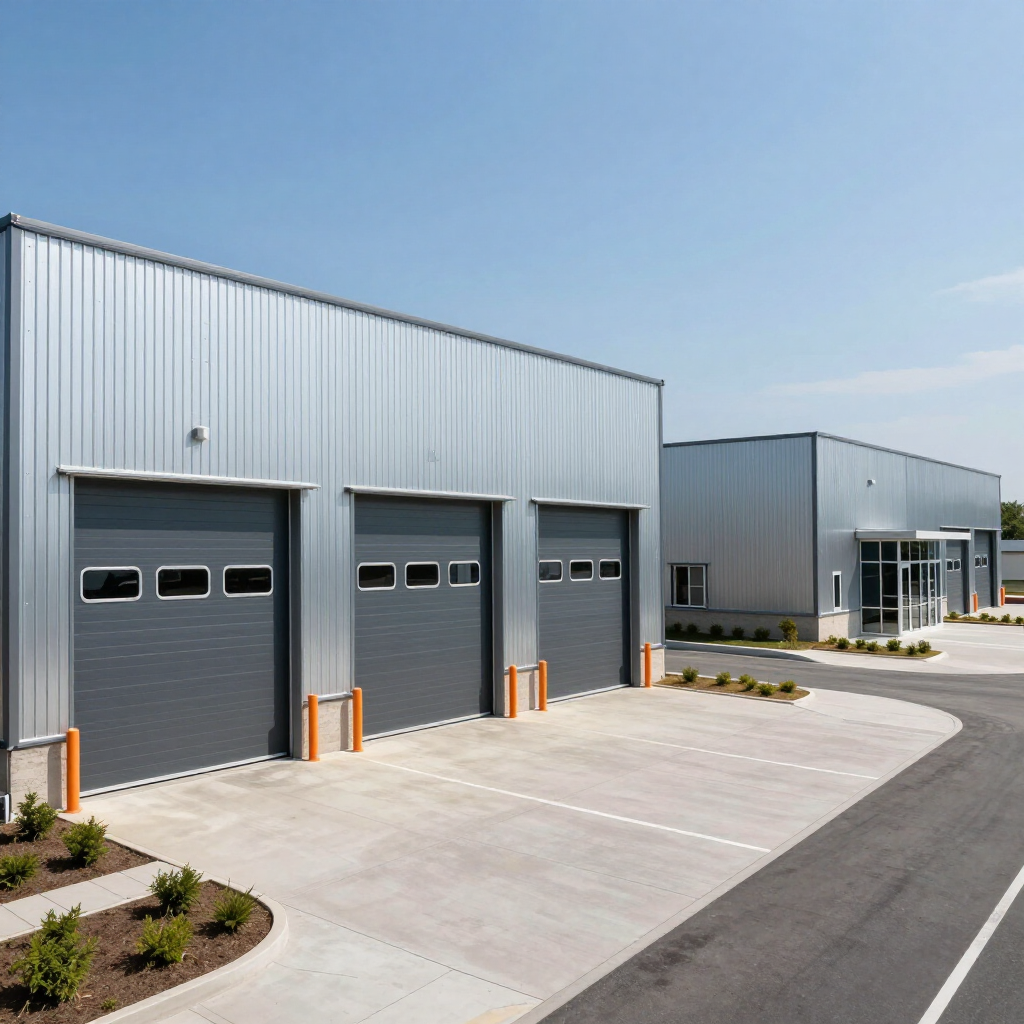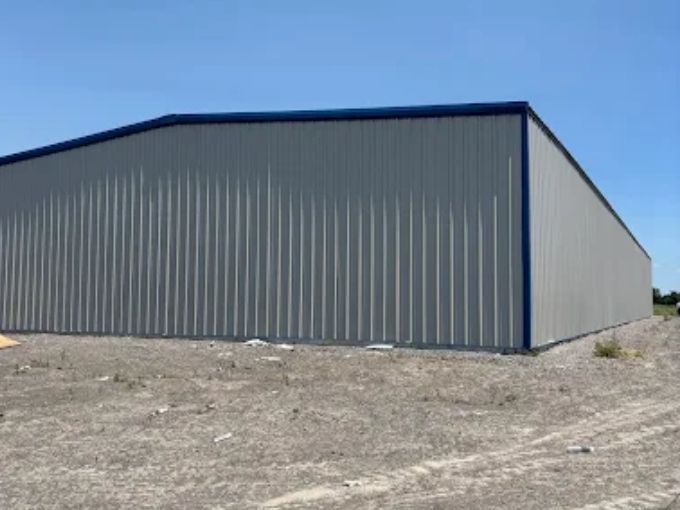
The construction industry is currently undergoing a significant transformation, fueled by the adoption of innovative materials and construction methods. Among these, steel buildings stand out as a beacon of efficiency, sustainability, and cost-effectiveness. In Ontario, where the climate and market demands create unique challenges, the benefits of steel over traditional construction materials become even more pronounced. This article delves into a comparative analysis of steel versus traditional materials like wood and concrete, highlighting why steel is increasingly becoming the material of choice for builders and developers in the Greater Toronto Area (GTA) and beyond.
Durability and Longevity
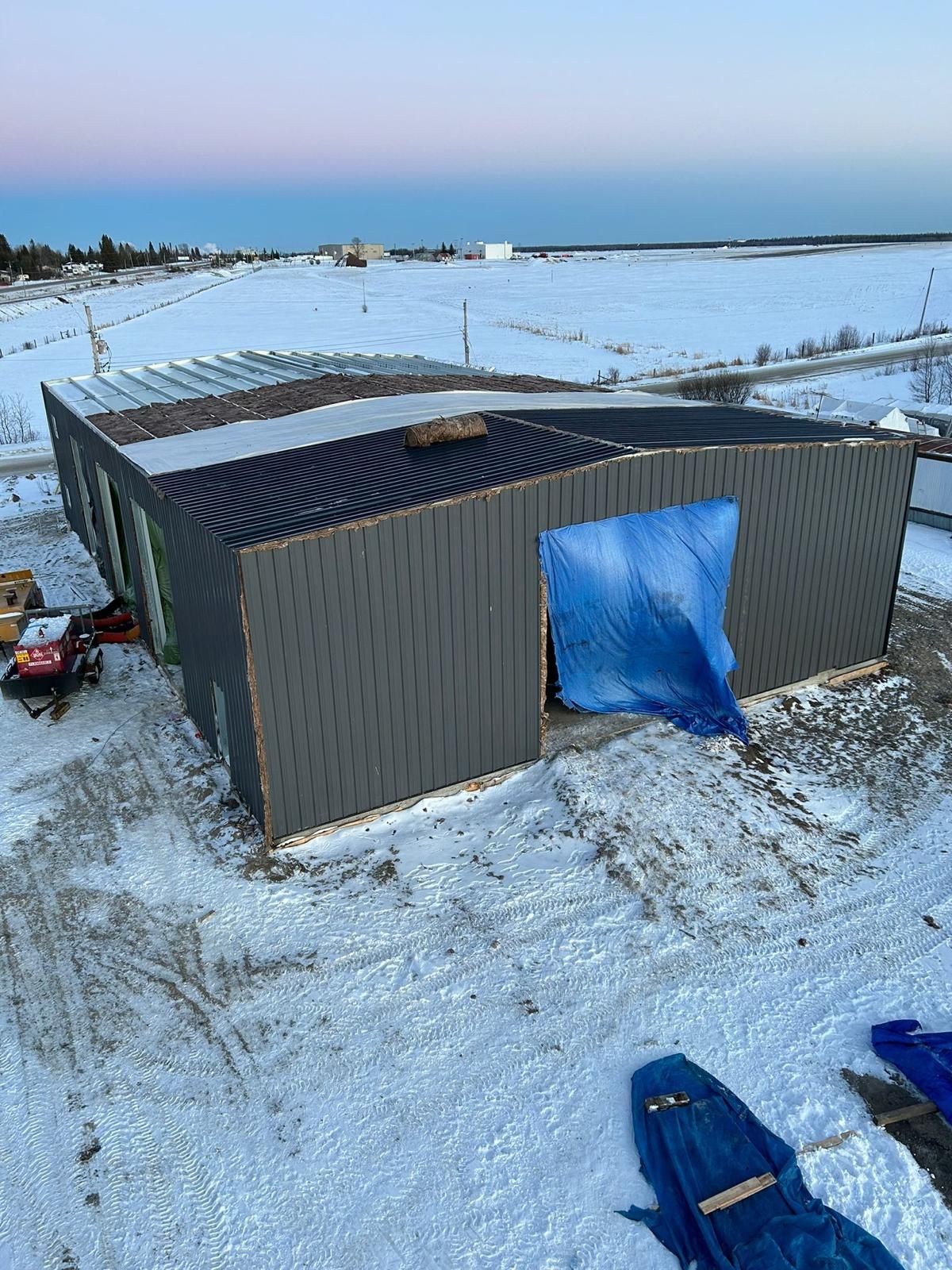
One of the most compelling advantages of steel buildings is their durability. Steel is highly resistant to weathering, decay, and pests such as termites, which are common issues with wood structures. In Ontario’s diverse climate, which ranges from hot summers to cold, snowy winters, steel’s durability ensures that buildings can withstand harsh conditions without significant wear or risk of damage. This contrasts sharply with traditional materials, which may require frequent maintenance or replacements over time.
Sustainability and Environmental Impact
Sustainability is a growing concern in the construction industry, and steel buildings offer a greener alternative to traditional materials. Steel is the most recycled material in the world, with a high percentage of new steel products containing recycled content. This recycling process reduces the need for raw materials, decreases energy consumption, and lowers greenhouse gas emissions. In comparison, the production and disposal of traditional materials like wood and concrete have a higher environmental impact, making steel a more eco-friendly option for conscious builders and clients.
Cost-Effectiveness and Efficiency
From a financial perspective, steel buildings offer several advantages. The prefabrication process allows for quicker assembly on-site, reducing labor costs and shortening construction timelines. This efficiency is a significant benefit in the fast-paced Ontario construction market, where time is often of the essence. Additionally, the reduced maintenance and repair costs associated with steel buildings contribute to long-term savings, making them a more cost-effective option over their lifespan compared to buildings made from traditional materials.
Flexibility and Aesthetic Appeal
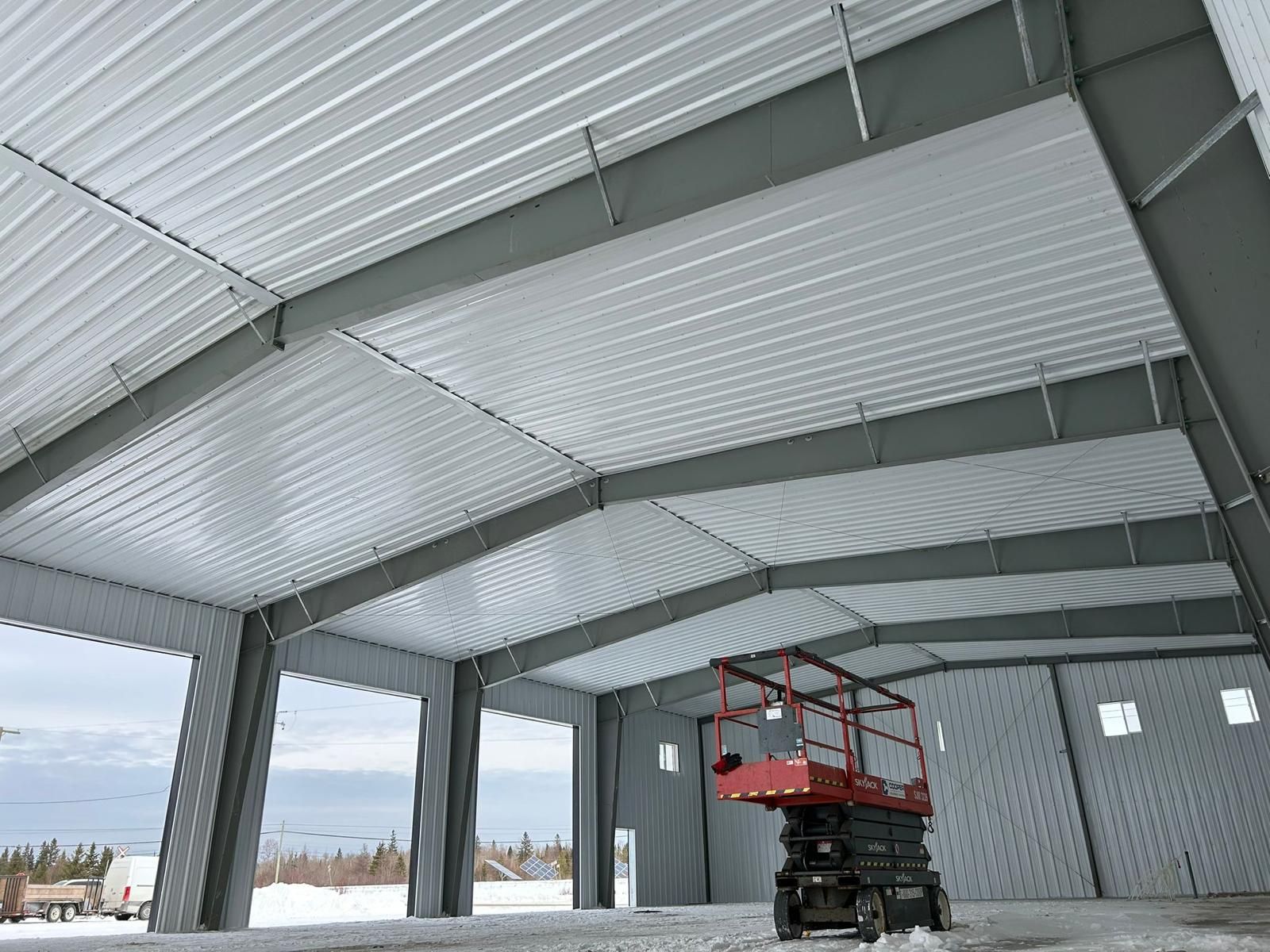
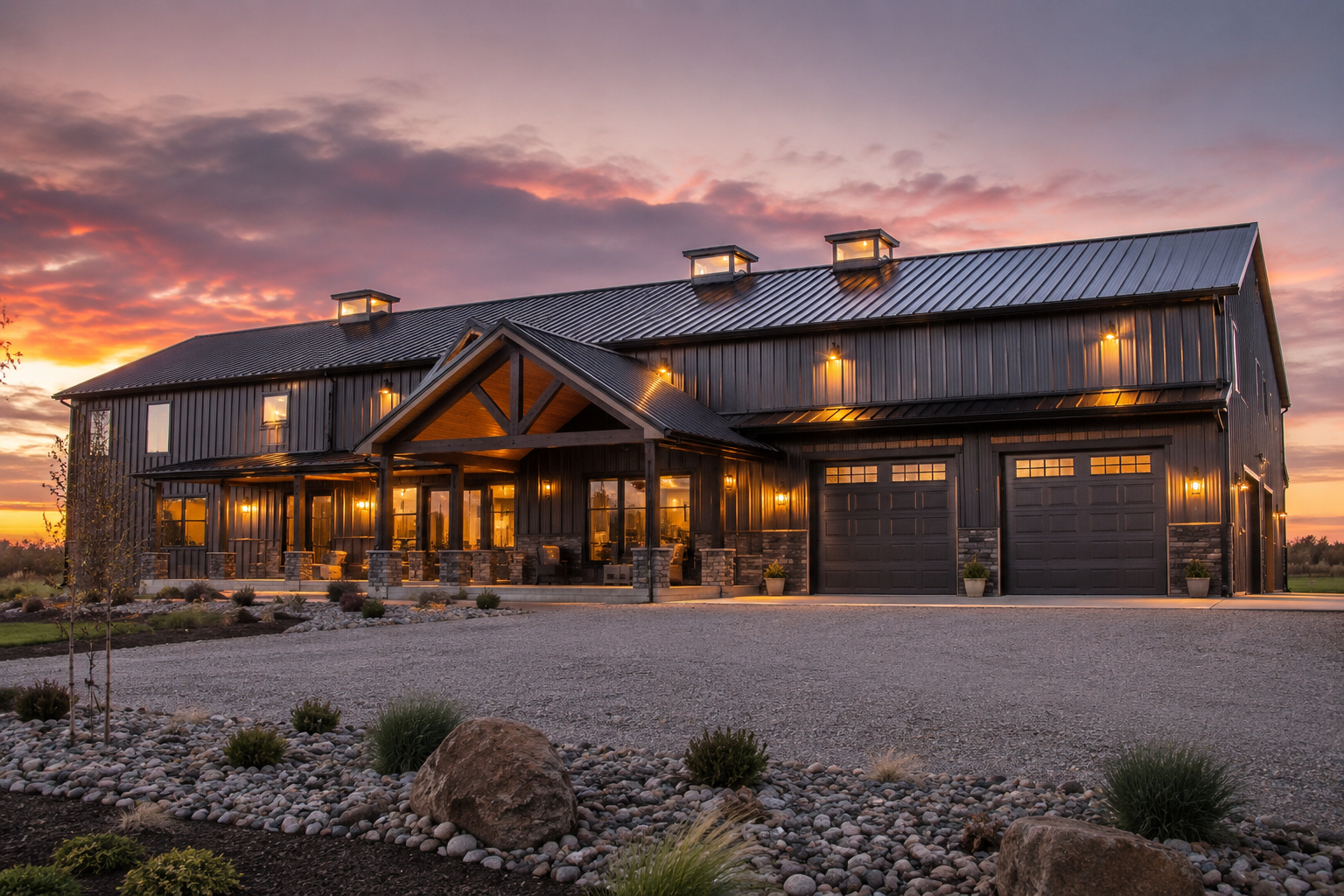
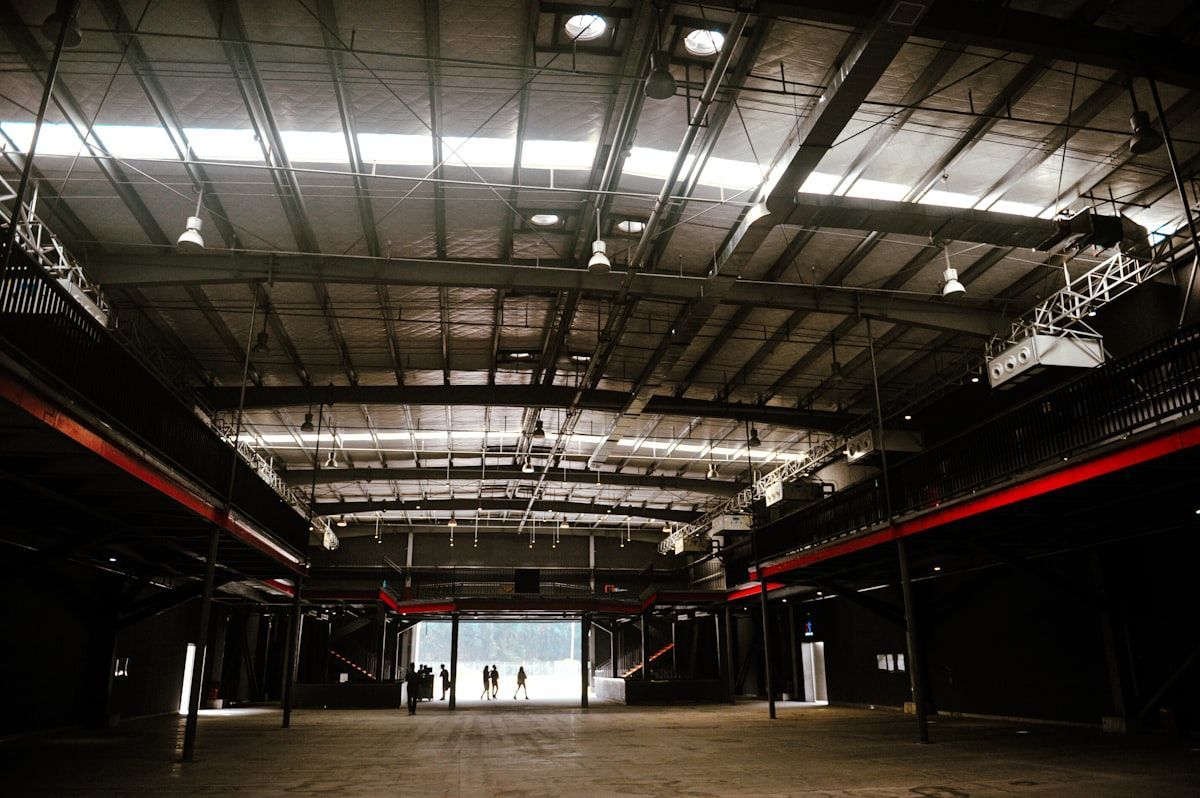
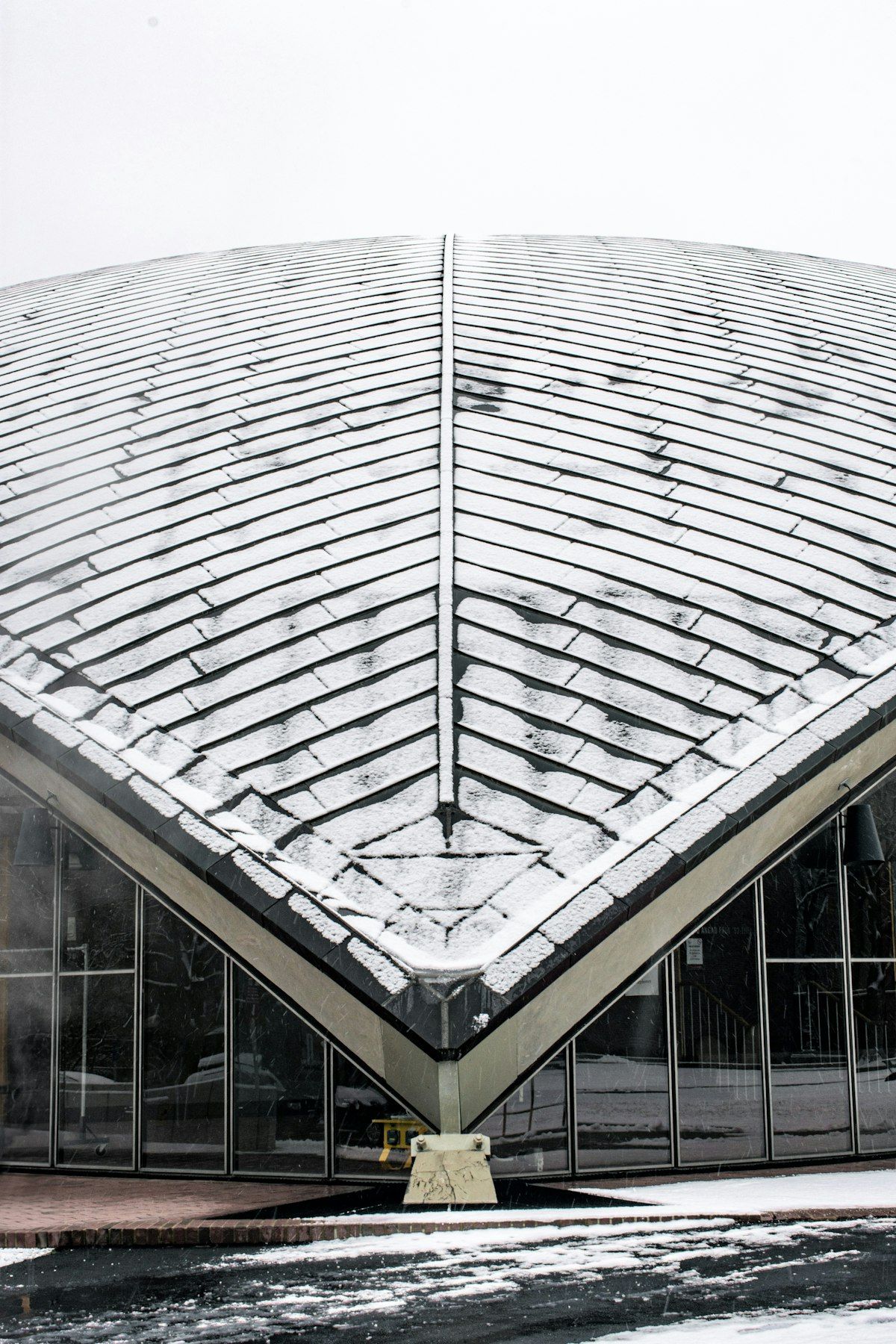
Steel offers unparalleled flexibility in design, allowing for innovations in architecture that can be difficult to achieve with wood or concrete. The strength of steel supports wider spans, creating more expansive, open spaces without the need for numerous support columns. This flexibility extends to aesthetic appeal; steel can be molded into unique shapes and coated in various finishes, enabling builders and architects to realize their creative visions without the limitations imposed by traditional materials.
Safety and Fire Resistance
Safety is a paramount concern in any construction project. Steel inherently offers superior fire resistance compared to wood, which is combustible and can contribute to the spread of fire. In steel buildings, fireproofing measures can be integrated more easily, enhancing the structure’s overall safety. Moreover, steel’s robustness contributes to better performance under seismic activity, an important consideration in many parts of Ontario.
Choosing the Right Material for Your Project
Embarking on a construction project in Ontario presents a unique set of challenges and opportunities. Whether your project is commercial, industrial, or residential, understanding the comparative benefits of steel versus traditional construction materials is crucial. Choosing steel for your next project can offer longevity, sustainability, efficiency, and aesthetic flexibility that traditional materials cannot match.
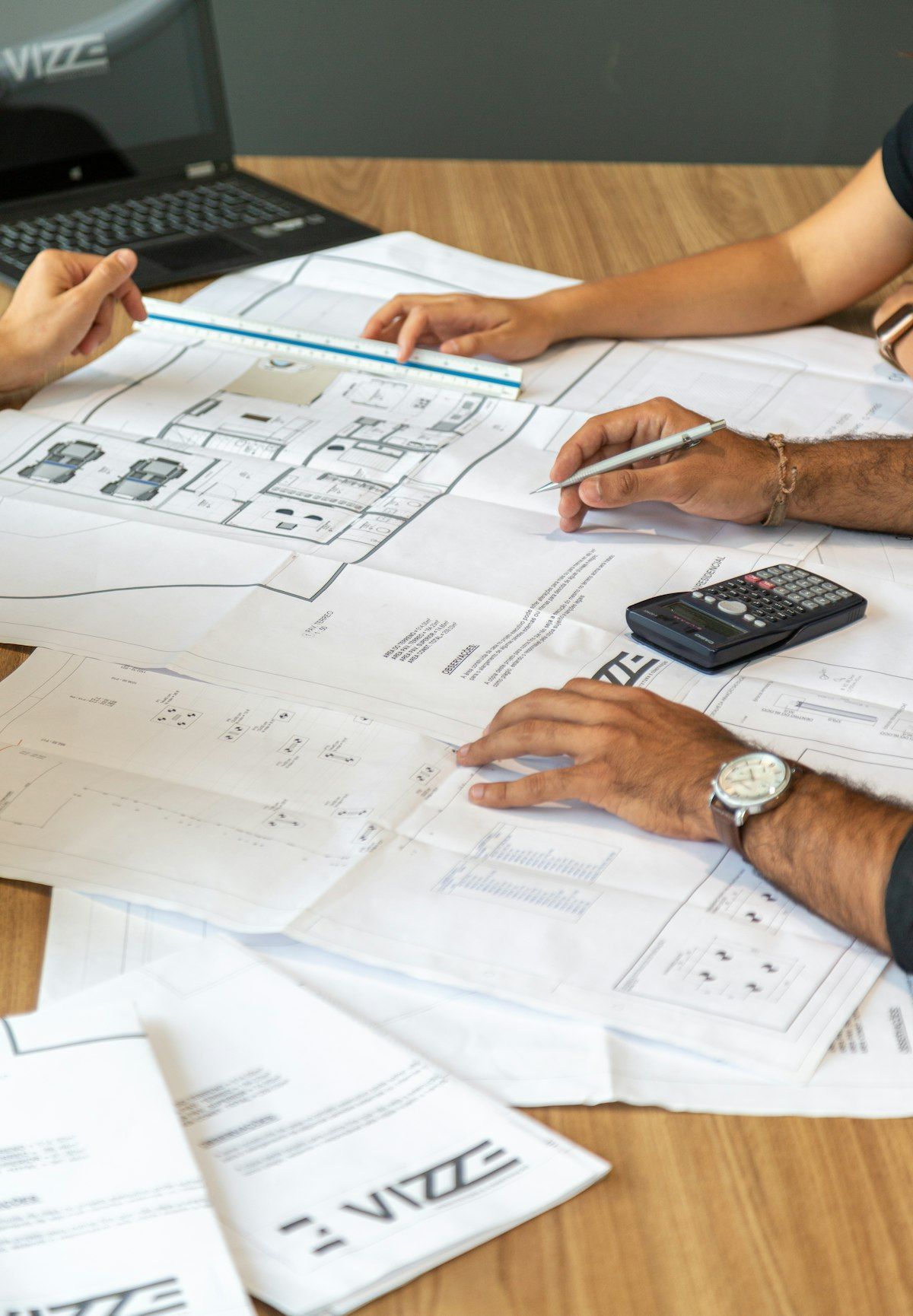
At GTA Steel Building, we specialize in custom steel building design, offering a comprehensive range of services including permit applications, foundation design, and turnkey project management. Our expertise and commitment to quality ensure that your project is not only successful but also exceeds expectations. If you’re considering steel for your next construction project in Ontario, reach out to us. Our team is ready to bring your vision to life with the unparalleled benefits of steel construction.
Share This Blog