As temperatures drop and winter approaches, the importance of building insulation becomes more evident, especially for steel buildings. Proper insulation not only enhances energy efficiency but also reduces overall heating costs. For businesses in Ontario, where winter can be harsh, ensuring your steel building is well-insulated is crucial. In this blog post, we'll explore advanced insulation techniques and materials to keep your steel building energy efficient during the winter months.
Understanding the Importance of Insulation in Steel Buildings
Steel buildings offer numerous benefits such as durability, cost-effectiveness, and quick construction times. However, without proper insulation, they can be less energy efficient compared to traditional structures. Insulation acts as a barrier to heat flow, keeping the heat inside during winter and outside during summer, which is essential for maintaining a comfortable indoor environment and reducing energy bills.
Advanced Insulation Materials for Energy Efficiency
To achieve optimal energy efficiency, it is essential to choose the right insulation materials. Here are some of the most effective options available:
1. Spray Foam Insulation
Spray foam insulation is known for its superior sealing properties, as it expands to fill gaps and cracks, providing an airtight barrier. This type of insulation is perfect for steel buildings as it adheres well to metal surfaces, reducing heat loss and minimizing drafts. It also offers excellent moisture resistance, preventing condensation issues common in metal structures during winter.
2. Rigid Foam Boards
Rigid foam boards are highly effective for steel building insulation due to their high insulating value per inch of thickness. They are available in various materials such as polystyrene and polyisocyanurate. These boards are ideal for insulating walls and roofs, providing excellent thermal resistance and structural strength.
3. Reflective Insulation
Reflective insulation is another great option for steel buildings, particularly in colder climates. It works by reflecting radiant heat, rather than absorbing it, making it ideal for maintaining warmth during winter. This type of insulation is typically made from reflective foil facing and can be combined with other insulation materials for enhanced performance.
Installation Techniques for Maximum Efficiency
Effective installation of insulation is just as important as the material itself. Here are some techniques to ensure maximum efficiency:
1. Proper Sealing
Sealing all seams, joints, and penetrations in the building envelope is crucial to prevent air leaks. Use weatherstripping and caulking to seal doors, windows, and any openings where air could escape or enter.
2. Insulating the Roof and Walls
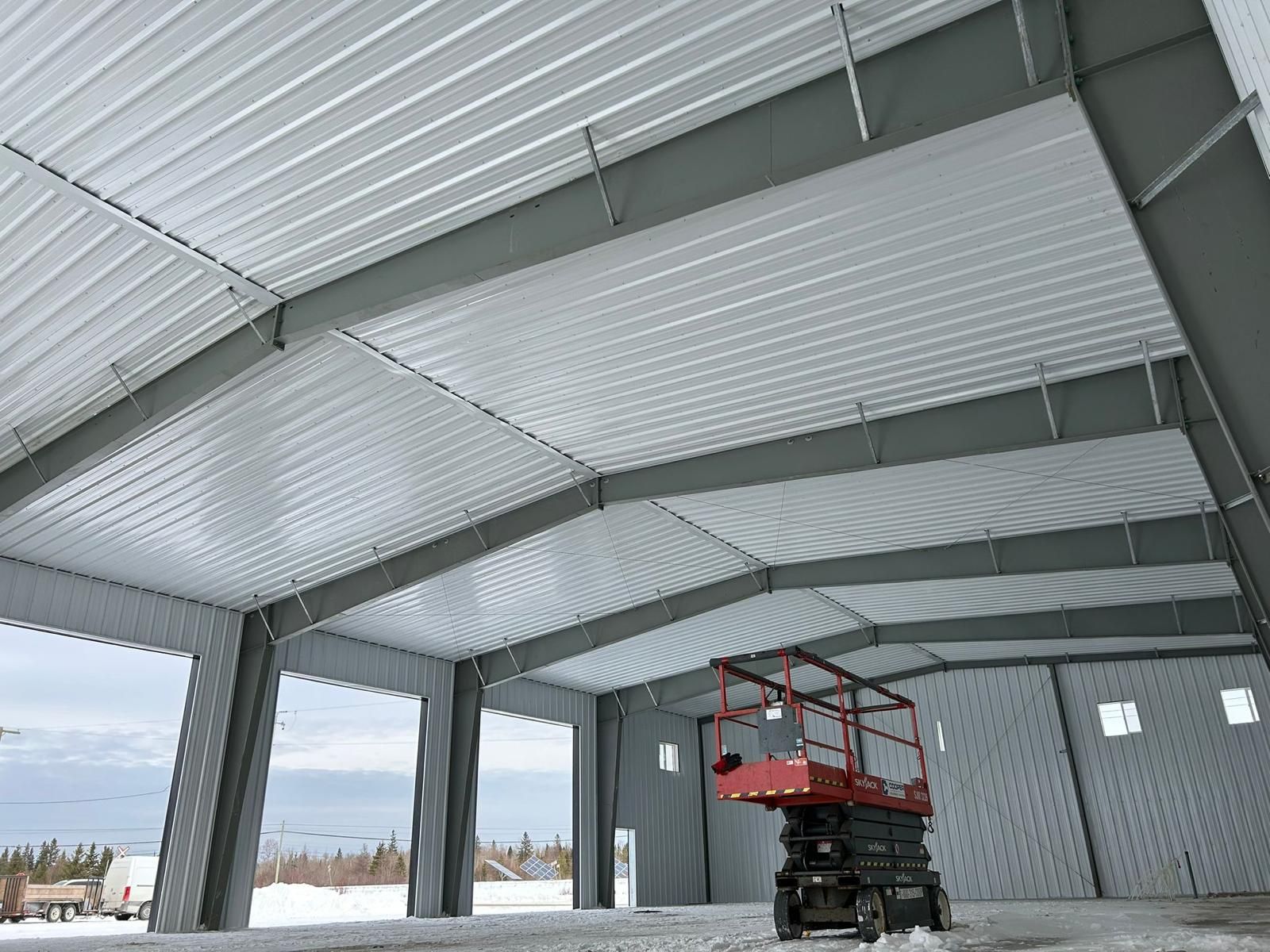
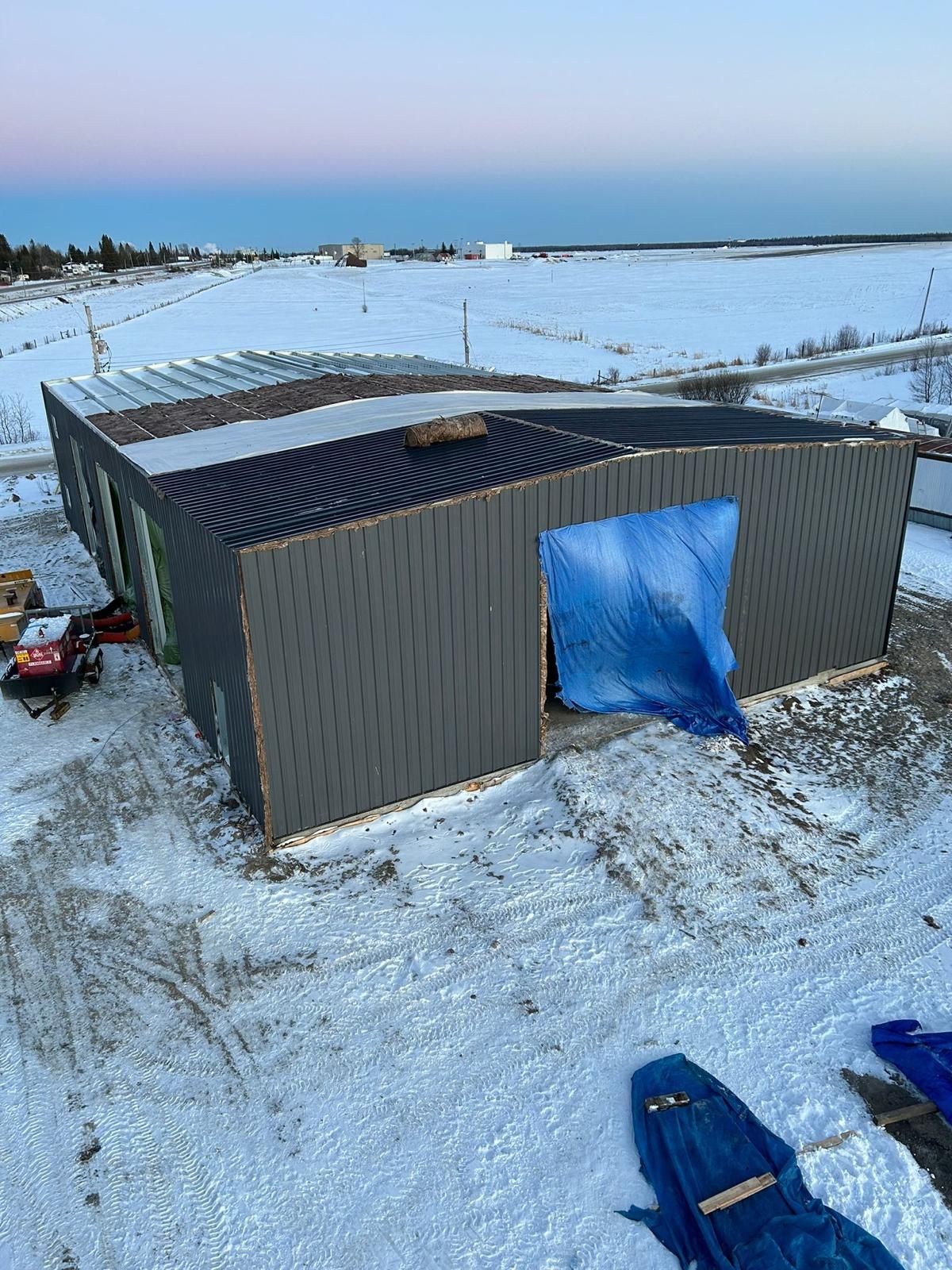
Focus on insulating the roof and walls as they are the primary areas where heat loss occurs. Ensure that insulation is installed with minimal gaps and overlaps for uninterrupted coverage.
3. Ventilation Considerations
While insulation is vital, proper ventilation should not be overlooked. Adequate ventilation prevents moisture buildup, which can lead to mold and damage. Ensure that ventilation systems are well-functioning and not obstructed by insulation.
Benefits of Energy-Efficient Insulation
Investing in energy-efficient insulation for your steel building offers numerous benefits beyond just keeping the cold out:
1. Reduced Energy Costs
By minimizing heat loss, insulation reduces the need for constant heating, leading to significant savings on energy bills.
2. Enhanced Comfort
Insulation creates a more consistent indoor temperature, improving comfort for occupants during the colder months.
3. Environmental Impact
Energy-efficient buildings have a lower carbon footprint, contributing to a more sustainable environment. Using eco-friendly insulation materials further enhances this positive impact.
4. Increased Property Value
Well-insulated buildings are more attractive to potential buyers or tenants, increasing the overall value of the property.
Stay Warm and Efficient This Winter
Winter construction requires careful consideration of insulation techniques to ensure energy efficiency and comfort. At GTA Steel Building, we specialize in designing and installing insulation solutions tailored to the unique needs of steel buildings. Our expertise, combined with the latest materials and techniques, ensures your building remains warm and efficient throughout the winter season.
Don't let the winter chill disrupt your operations or increase your energy bills. Contact GTA Steel Building today for a consultation on the best insulation solutions for your steel building. Let our team of experts guide you in achieving energy efficiency and comfort all winter long. Call us now or visit our website to learn more and get a FREE quote.
Share This Blog